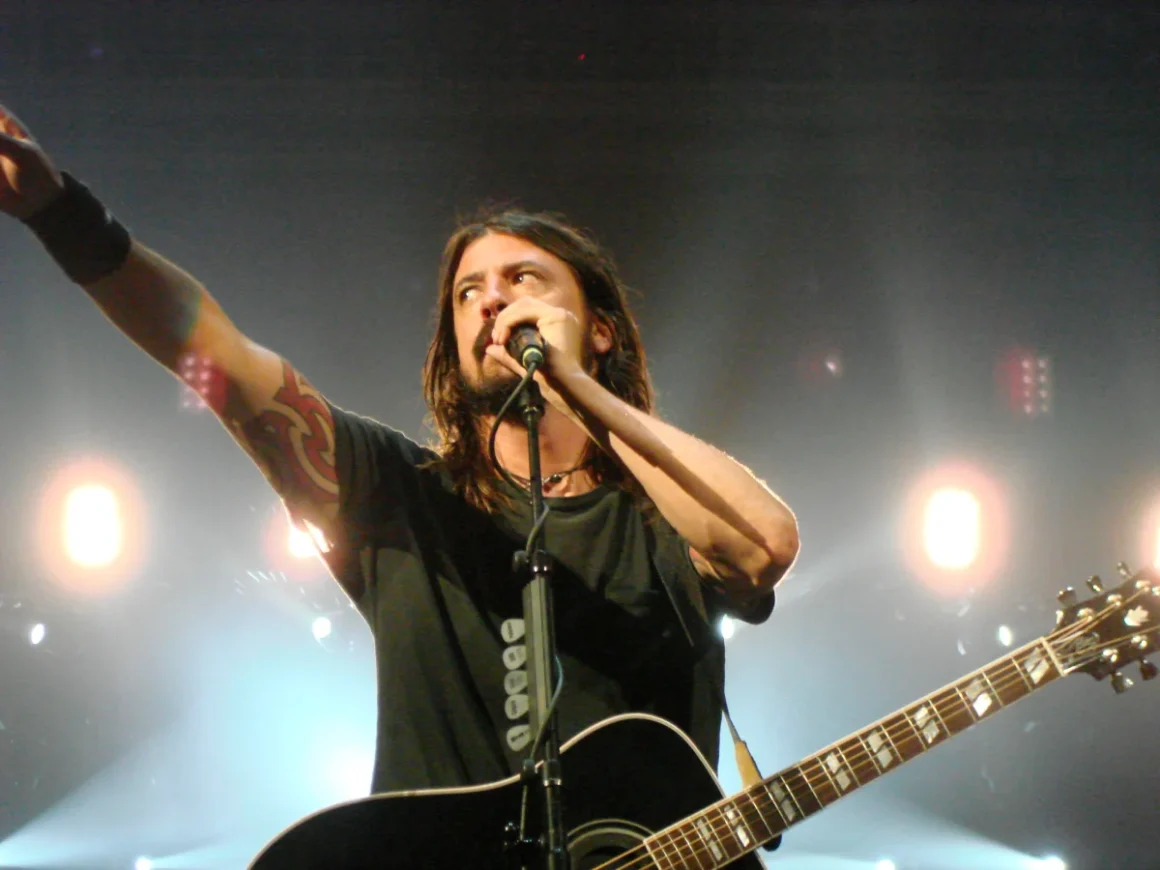
The Foo Fighters didn’t just play SNL UK—they rewired it. In a rare blend of blistering rock and unexpected comedy, the band ripped through “Caught in the Echo” like a storm front, then pivoted into a pitch-black satire about child actors, leaving audiences equal parts stunned and laughing. If you missed it, the clips are now viral for good reason: this was rock spectacle fused with sharp cultural commentary.
This wasn’t just another promo stop. It was a statement.
The Raw Power of "Caught in the Echo" Live
“Caught in the Echo” isn’t one of the Foo Fighters’ radio staples. It’s deeper cut—tense, brooding, and built on a slow-burn tempo that can collapse into chaos at any second. Few bands would choose it for a live TV slot. The Foo Fighters didn’t just choose it—they weaponized it.
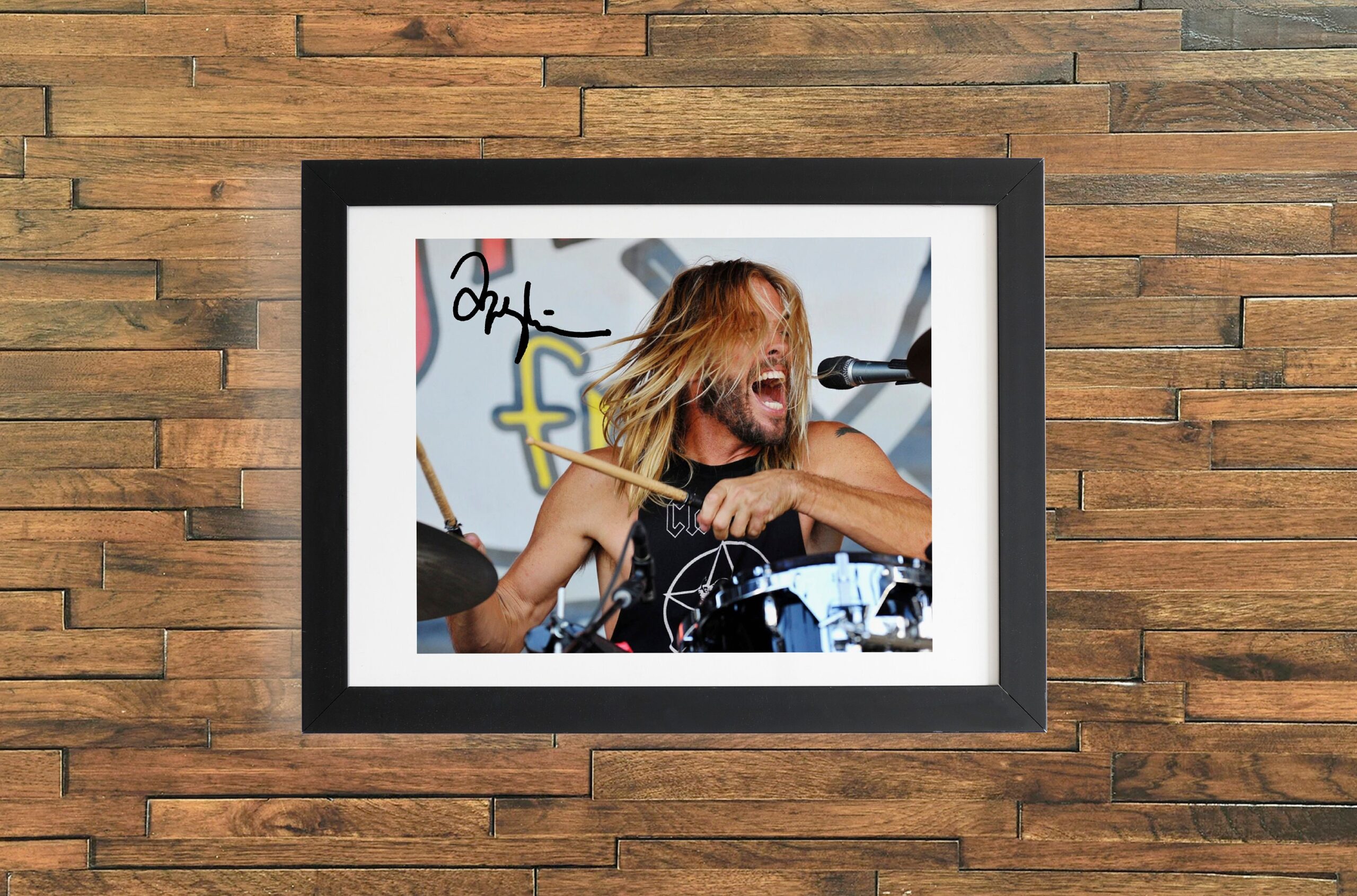
From the opening bassline—tight, ominous, locking in with Taylor Hawkins’ ghost-touch drumming—the track built like approaching thunder. Dave Grohl’s vocals were restrained at first, almost whispered, before exploding into the chorus with a guttural release that reverberated through the studio.
Watch closely at the 2:18 mark: Grohl steps back from the mic, drops to one knee, and lets the band carry the weight. Pat Smear and Chris Shiflett weave dissonant harmonies, while Rami Jaffee’s keys add a ghostly texture beneath. It’s a masterclass in tension and release—crafted not for chart appeal, but for emotional impact.
This performance reminded viewers why live rock still matters. No autotune, no backing tracks, no safety net. Just six musicians riding the edge of control.
Common mistake in live rock TV appearances: Bands often play it safe—choosing hits, trimming solos, sacrificing dynamics for polish. The Foo Fighters did the opposite. They leaned into discomfort, made the silence between notes feel dangerous. That's what made it unforgettable.
Why “Caught in the Echo” Fits the SNL UK Moment
SNL UK isn’t a carbon copy of its American counterpart. It’s grittier, less polished, more willing to embrace awkward energy. That made it the perfect backdrop for “Caught in the Echo”—a song about artistic isolation, identity erosion, and the noise of public expectation.
The lyrics—“I hear my name in the static / But it doesn’t sound like me”—hit differently in 2024. In an era of algorithmic fame, viral clips, and digital personas, the track feels eerily prescient. Grohl has said it was inspired by years of being misquoted, mischaracterized, and flattened into a caricature. On SNL UK, the performance became meta: a band famous for authenticity performing a song about losing oneself—on a comedy stage.
The staging amplified this. No pyrotechnics. No LED walls. Just dim, side-lit silhouettes and a single camera roaming the stage like a voyeur. It wasn’t a concert. It was a confessional.
The Unexpected Turn: Foo Fighters in the Child Actor Sketch
Then came the twist.
After their first set, the band returned—not to play, but to act.

The sketch, titled “The Last Child Star,” parodied the tragic arc of young performers swallowed by the industry. Dave Grohl played “Uncle Dave,” a washed-up former teen idol running a support group for retired child actors. Chris Shiflett was “Mikey from the 90s cereal ads.” Pat Smear played a traumatized former voice actor who voiced a talking otter.
The humor was dark, absurd, and uncomfortably accurate. One character recounts being fired at 12 for “growing a beard too fast.” Another describes being replaced by motion capture because “my smile wasn’t algorithm-friendly anymore.”
But the punchline was Grohl’s delivery. Deadpan, gravel-voiced, he deadpans: “I didn’t lose my fame. I lost my childhood. And my teeth. They were props.” The audience didn’t know whether to laugh or wince.
It worked because the Foo Fighters didn’t play themselves as rock gods slumming it in comedy. They leaned into vulnerability. They looked tired. They looked real.
Key insight: The sketch succeeded because it mirrored the band’s own origin story—teenage fame, loss of control, reinvention. Grohl was in Nirvana by 21. He’s lived the arc he was mocking.
Behind the Scenes: How the Sketch Came Together
According to SNL UK producers, the idea originated in a late-night email from Grohl himself. “He wrote: What if we did a sketch about child stars… but we’re all child stars?" said head writer Lucy Tran. “We thought he was joking. Then he sent references—Diff’rent Strokes, The Goonies reunion interviews, old Disney Channel IDents. He was serious.”
Rehearsals were reportedly chaotic. Band members had no acting training. Grohl kept breaking character to laugh. But director Ayo Davis insisted on shooting in long takes—no cuts, no safety nets. “If they mess up, they mess up. It’s funnier that way,” she said in a post-broadcast interview.
The result? A five-minute sketch that’s now being hailed as one of SNL UK’s sharpest in years. Not because it was polished—but because it felt human.
One standout moment: when Grohl’s character tries to sing his old theme song and forgets the lyrics. Instead of faking it, he mumbles, “It’s something about… juice? And being cool?” The silence that follows is awkward, real, and devastating.
The Cultural Resonance: Why
This Matters Beyond the Laughs
This wasn’t just a stunt. It was commentary.
The child actor sketch tapped into a growing unease about how the entertainment industry treats youth. With platforms like TikTok turning 8-year-olds into influencers and music labels signing pre-teens to 360 deals, the line between talent development and exploitation is blurring.
By framing it through the lens of their own fame, the Foo Fighters added legitimacy. They aren’t outsiders mocking the machine—they’re survivors reflecting on it.
And “Caught in the Echo”? It’s the yin to the sketch’s yang. One song about losing your voice. One sketch about people who never got to find theirs.
Together, they formed a rare double act: music that wounds, comedy that reveals.
Real-world impact: Within hours of the broadcast, mental health nonprofit ActForActors reported a 40% spike in calls from former young performers. The band’s team confirmed they’re in talks to support a new initiative for post-career transition programs.
Watch It: Where to Find the Full Clips
You’ve probably seen fragments—clips of Grohl screaming into the mic, or the sketch’s “talking otter” punchline—circulating on TikTok and X. But the full experience demands context.
Here’s where to watch:
- NBC+ (UK): Full SNL UK episode, uncut, including backstage cutaways and the band’s green room interview.
- YouTube (Official Foo Fighters channel): Isolated performance of “Caught in the Echo,” filmed in 4K with multi-angle options.
- ITVX: The child actor sketch is available standalone, with director’s commentary.
- Spotify: A live version of “Caught in the Echo” from the SNL session dropped the morning after—now streaming globally.
Pro tip: Watch the performance first, then the sketch. The emotional whiplash is intentional—and powerful.
The Legacy of
This Appearance
Most musical guests on SNL exist to promote an album. They play two songs, do a quick sketch if asked, and vanish. The Foo Fighters didn’t follow that script.
They used the platform to do something riskier: reflect. On fame. On time. On the cost of being seen.
That’s why this appearance will be studied, not just shared. Music students will analyze the “Caught in the Echo” dynamics. Comedy writers will break down the sketch’s rhythm. Cultural critics will cite it in essays about post-fame identity.
And fans? They’ll remember the moment Grohl stood in near-darkness, voice cracking, singing about being unrecognizable—even to himself.
That’s not entertainment. That’s art.
Watch the Foo Fighters’ SNL UK performance and sketch today. See the rage, the laughter, the truth. Then ask yourself: who are we when the echo fades?
FAQ
How did the Foo Fighters get involved with SNL UK? The band reached out directly after hearing about the show’s edgier tone. They requested to perform a deep cut and contribute to a sketch—unusual for a musical guest.
Was “Caught in the Echo” previously released? Yes—it appeared as a B-side on the Echoes, Silence, Patience & Grace deluxe edition in 2007. It was never performed live before this appearance.
Did the child actor sketch use real stories? Many lines were inspired by real testimonials. The “talking otter” bit references a real 90s UK ad campaign. The “growing beard” firing echoes a real case involving a child model.
Why did SNL UK choose the Foo Fighters? Producers wanted a band with legacy, credibility, and willingness to take risks—qualities the Foo Fighters have demonstrated for decades.
Were the band members acting or playing themselves? They played fictionalized versions of themselves—exaggerated but rooted in real experiences with early fame and industry pressure.
Is there a live album from this session? Not confirmed, but the band hinted at a live EP including “Caught in the Echo” and two other unreleased tracks from the SNL rehearsal.
Where can I watch the full episode with commentary? The extended cut with band and writer commentary is available on NBC+ (UK) and selected Sky Q packages.
FAQ
What should you look for in Foo Fighters Tear Through 'Caught in the Echo' and Child Actor Sketch on? Focus on relevance, practical value, and how well the solution matches real user intent.
Is Foo Fighters Tear Through 'Caught in the Echo' and Child Actor Sketch on suitable for beginners? That depends on the workflow, but a clear step-by-step approach usually makes it easier to start.
How do you compare options around Foo Fighters Tear Through 'Caught in the Echo' and Child Actor Sketch on? Compare features, trust signals, limitations, pricing, and ease of implementation.
What mistakes should you avoid? Avoid generic choices, weak validation, and decisions based only on marketing claims.
What is the next best step? Shortlist the most relevant options, validate them quickly, and refine from real-world results.




:max_bytes(150000):strip_icc()/GettyImages-21696356521-4fbe8ad077b44dd89725c2f789cb6716.jpg)
